Nigeria's defense minister resigns amid security crisis
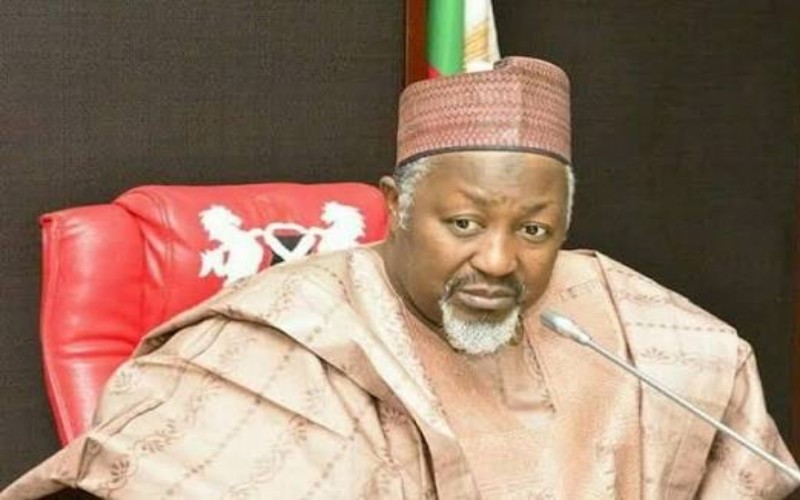
Mohammed Badaru Abubakar's resignation comes as Nigeria scrambles to respond to a wave of mass kidnappings.
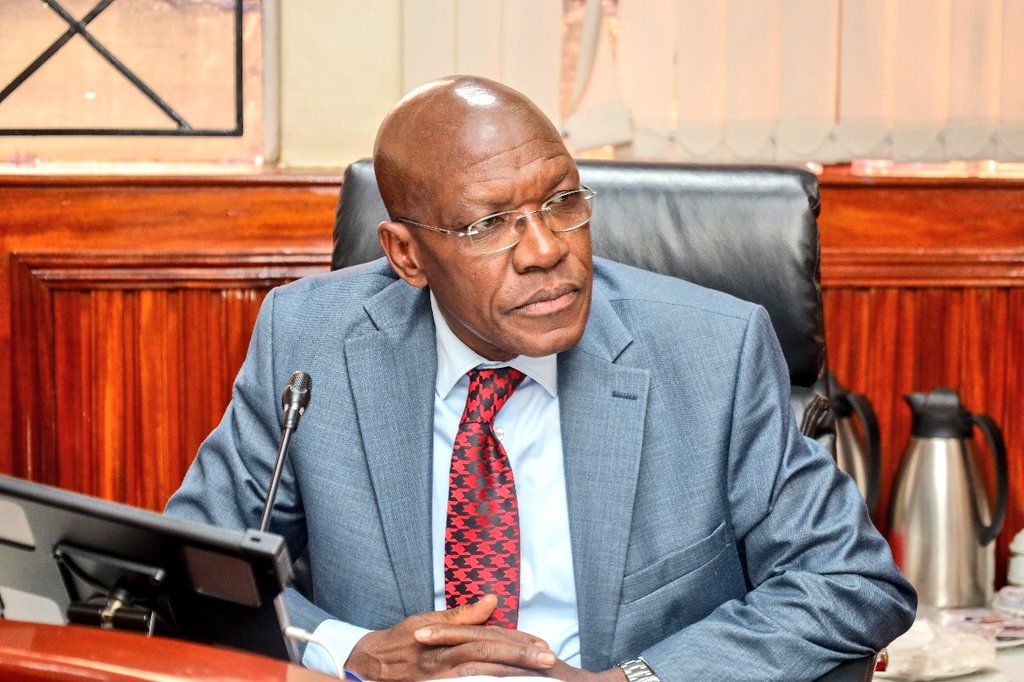
Nigeria's defence minister, Mohammed Badaru Abubakar, has resigned, the presidency said on Monday, with immediate effect.
Presidential spokesperson Mayo Onanuga said in a statement that Abubakar was quitting on health grounds.
More To Read
- Nigerian President Bola Tinubu declares national security emergency amid rising kidnappings
- Nigerian president confirms rescue of 24 abducted schoolgirls
- WFP warns of hunger crisis in Nigeria as 35 million face food shortages
- Why are schools still unsafe in Nigeria?
- 220 students, teachers abducted from St Mary’s School in Niger state, Nigeria
- 200 militants killed in Boko Haram-ISWAP clashes in Northeast Nigeria
"His resignation comes amid President [Bola] Tinubu's declaration of a national security emergency, with plans to elaborate on its scope in due course," the spokesperson said.
Nigeria's armed banditry is a security crisis
Nigeria has long been plagued by mass kidnappings, but the past weeks have seen a surge in attacks and abductions by armed bandits.
Most recently, gunmen attacked a church in Kogi state in central Nigeria, abducting the pastor along with nearly a dozen worshipers during a Sunday morning service.
On Saturday, some 30 women, including a bride and visiting wedding guests, were kidnapped in Sakoko in northwestern Nigeria.
In all, some 490 people have been abducted across multiple states in the past two weeks, according to Nigeria's Punch newspaper.
A large number of these were from the St. Mary's private Catholic boarding school in Papiri, Niger State, where 315 people, mostly children, were abducted in late November. Around 50 children managed to escape.
Armed bandits, often operating in Nigeria's northwest and north-central regions, frequently carry out kidnappings for ransom.
As well as banditry, Nigeria is also battling a deadly Islamist insurgency in its northwestern regions.
But the Nigerian government has long been criticised for failing to stem the security crisis and protect schools in particular.
Security forces stretched thin
In the wake of the kidnappings, President Tinubu declared a security emergency and ordered mass recruitment of police and military personnel.
But the military and police are already low-paid, lacking in equipment and in need of training.
"In remote villages and towns, state security agents are virtually non-existent, and surveillance remains very poor," finds Oluwole Ojewale, Regional Coordinator for the Institute for Security Studies, an African think tank, in an analysis.
Nigeria has only approximately 370,000 officers to protect its 220 million citizens, according to a UK government assessment, and significant numbers of these are seconded to protect wealthy individuals.
Corruption and bribery are commonplace, while police response to crimes is often slow, the assessment finds.
Top Stories Today